This article reflects general industry principles and publicly available best practices. It does not reference or disclose proprietary processes, confidential information, or the operations of any specific organization, past or present. Any resemblance to specific organizational practices is coincidental and unintentional. This content is intended for general professional and educational reading.
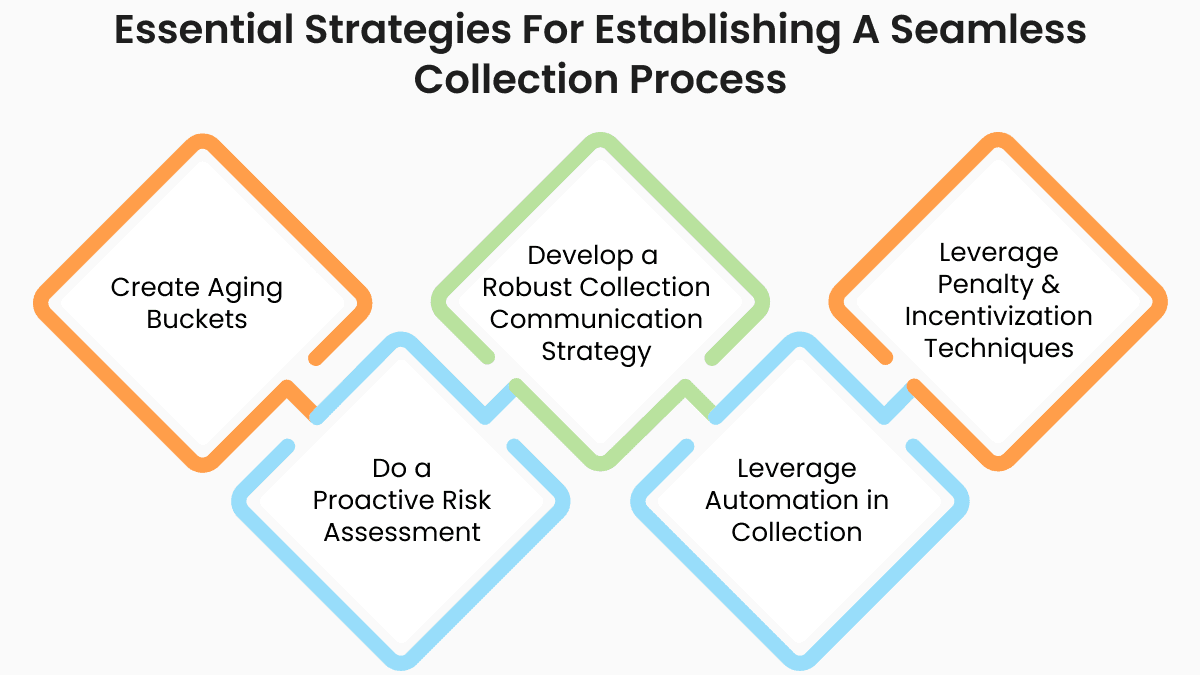
Cross-posted from: https://www.linkedin.com/pulse/essential-strategies-establishing-seamless-process-any-montero-jr--wim6e
Collections is often misunderstood. Many organizations see it simply as a reactive function designed to chase overdue balances. In reality, when structured thoughtfully, collections is a strategic discipline that supports cash flow, strengthens customer relationships, and drives long-term financial stability.
Across industries, business models, and customer types, the most effective collections operations share foundational principles. Whether in healthcare, financial services, SaaS, utilities, retail, insurance, or B2B services, these principles remain consistent. Differences emerge in execution, not in the fundamentals.
1. Clear Ownership
A seamless collections process starts with clarity of ownership. When responsibilities are spread across departments without clear accountability, outcomes become inconsistent and delayed. High-performing organizations define ownership at each stage of the collections lifecycle and tie accountability to resolution rather than effort, enabling faster decision-making, consistent communication, and stronger alignment.
2. Structured, Predictable Workflows
Collections processes should not rely solely on individual discretion. Standard workflows, defined timelines, and clear escalation paths create predictability for both teams and customers. Consistency builds trust and reduces friction, while controlled flexibility ensures policies support outcomes instead of creating bottlenecks.
3. Segmentation Drives Efficiency
Not all delinquent accounts are the same. Organizations that segment accounts by factors such as timing, customer behavior, and overall risk can apply proportionate strategies. This approach improves resolution rates while minimizing unnecessary escalation, preserving relationships and resources.
4. Communication Is Key
Many payment delays result from confusion rather than unwillingness. Clear, timely, and respectful communication reduces misunderstandings and encourages engagement. Effective collections communication focuses on transparency, plain language, and clearly defined next steps — ensuring customers understand what is owed, why, and how it can be resolved.
5. Reduce Friction
Overly complex processes increase resolution time and operational costs. Seamless collections operations prioritize simplicity, offering reasonable pathways for resolution and removing unnecessary barriers. The easier it is for customers to pay, the more likely they will do so.
6. Data-Informed Decisions
Experience is valuable, but scalable success depends on understanding what works consistently. Tracking trends in engagement, resolution timing, and recovery effectiveness allows organizations to refine their approach over time. Data should guide strategy, not replace human judgment.
7. Align With the Customer Experience
Collections interactions shape customer perception, especially during financial stress. Aligning collections practices with brand values and service standards preserves trust and reduces frustration. Collaboration between collections, billing, and customer service teams ensures a consistent experience.
8. People Are the Foundation
Tools and automation improve efficiency, but outcomes depend on the skills and judgment of team members. Investing in training on communication, problem-solving, and professionalism consistently produces stronger results. Empathy, applied thoughtfully, supports resolution without compromising accountability.
9. Continuous Improvement
A seamless collections process is never static. Customer behavior, economic conditions, and regulatory environments evolve. Organizations that regularly review performance, listen to frontline feedback, and adapt their approach maintain effectiveness over time.
At its core, collections is about creating structure and clarity during moments of uncertainty. When ownership is clear, processes are consistent, communication is effective, and decisions are informed by data, collections becomes a strategic advantage, not a reactive necessity. Getting the fundamentals right protects relationships, reinforces trust, and supports sustainable growth — no matter the industry. While execution varies by industry, scale, and regulatory environment, these fundamentals provide a consistent foundation for ethical and effective collections operations.”
Legal Notice: This article reflects general industry principles and publicly available best practices. It does not reference or disclose proprietary processes, confidential information, or the operations of any specific organization, past or present. Any resemblance to specific practices is coincidental and unintentional. This content is intended for general professional and educational reading.